The GTA market is changing.
Not dramatically overnight. Not in a way that rewards bold predictions.
It is changing through smaller signals: fewer new listings, steadier demand, narrower negotiations, and more attention on the difference between a good property and an average one.
Last week, we looked at a GTA market that was tightening. The July numbers supported that view:
- The average GTA selling price was $1,003,956, down 4.5% year-over-year.
- New listings fell 17.8%.
- Sales declined only 0.9%.
- The Toronto benchmark price was approximately $928,200, down 3.23% year-over-year.
That combination matters.
Supply is shrinking faster than demand.
Now, the conversation is moving from a clear buyer's market toward something closer to balance.
That does not mean buyers have lost all leverage.
It means leverage is becoming more conditional.
More property-specific.
More dependent on your terms, your timing, and your readiness.
A balanced market does not mean a quiet market
The phrase “balanced market” can sound like nothing is happening.
That is the first myth to discard.
A balanced GTA market is not inactive. It is simply less one-sided.
Buyers are no longer automatically in control of every negotiation. Sellers are no longer able to assume that any property will attract multiple offers. Both sides have to meet the market where it is.
That is not a call to rush.
It is the opposite.
It is permission to make a considered decision without waiting for perfect certainty.
At the same time, TRREB chief information officer Jason Mercer has suggested that the market may be approaching the bottom of the current cycle. That does not prove prices cannot move lower. It does suggest that the most severe part of the correction may be behind us.
The practical conclusion is simple:
The GTA market is becoming more stable, but not uniform.
That distinction should guide every buyer and investor decision in 2026.
GTA home prices in 2026 are telling a segmented story
Looking only at the overall GTA average is not enough.
The market is behaving differently depending on property type, location, condition, and buyer demand.
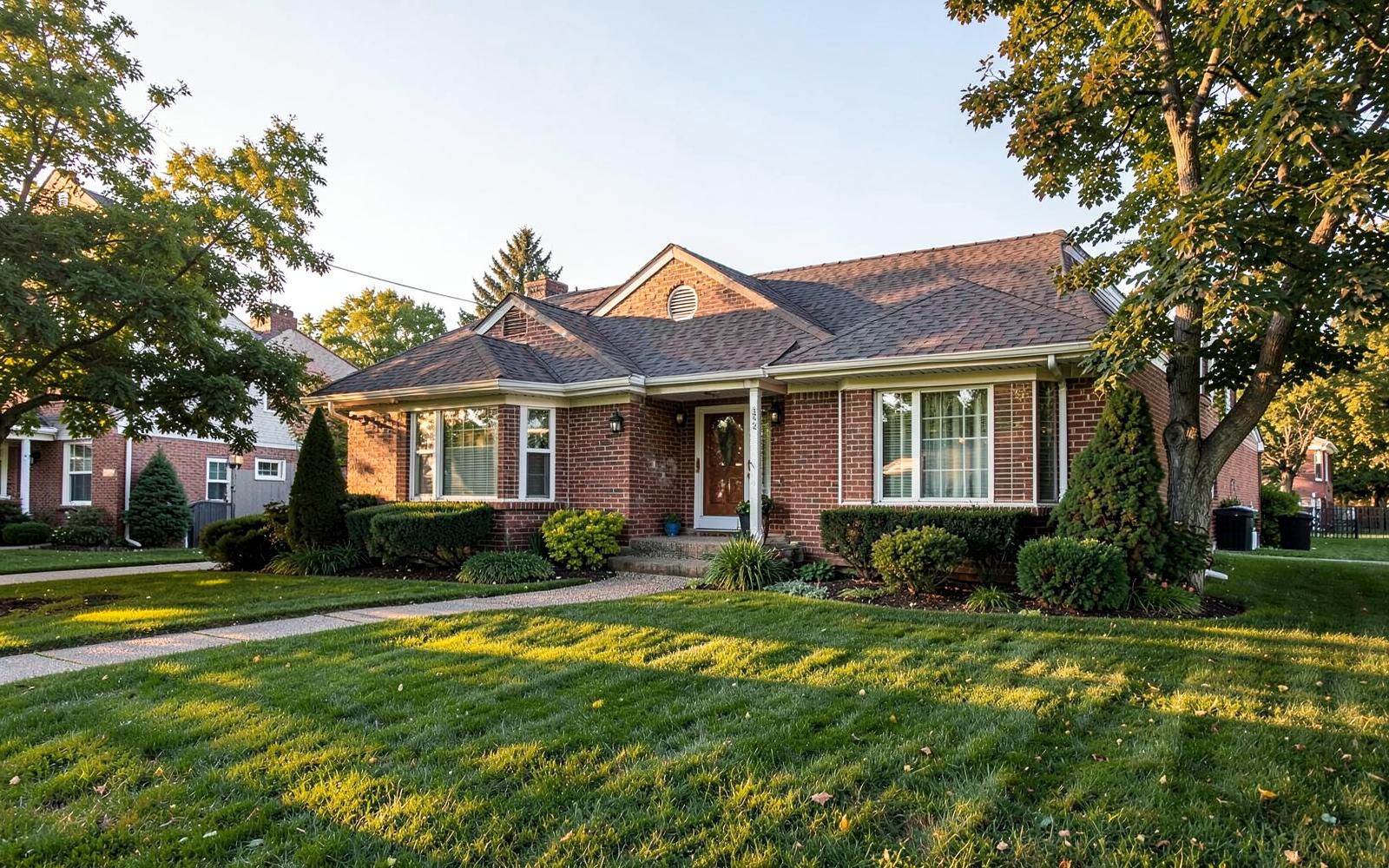
In the Toronto benchmark data, detached homes have been the most resilient segment. Prices were down approximately 1.58% year-over-year, while detached sales increased by 17%.
That is a meaningful contrast.
Detached homes with good layouts, usable outdoor space, practical locations, and reasonable pricing are drawing attention. Buyers may still negotiate, but the seller's position is stronger when the property is genuinely desirable.
Semi-detached homes have been weaker, with prices down approximately 9.66% year-over-year.
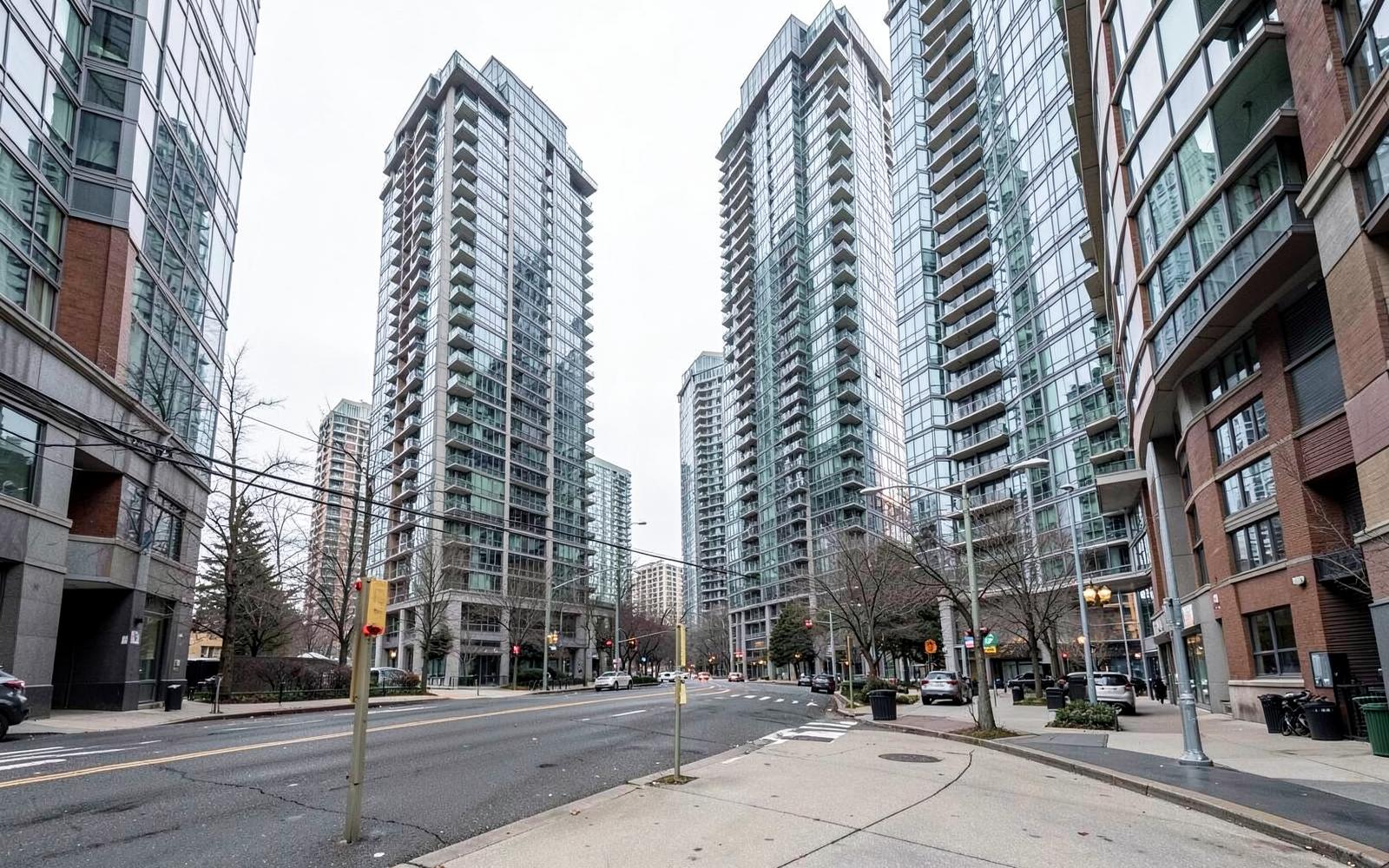
Condos are also still offering more room for negotiation. TRREB's 2026 outlook has specifically pointed to condominium apartments as a segment where elevated supply continues to provide buyers with leverage. At the same time, condos appear to be nearing a floor, with the first month-over-month gain recently recorded.
This creates three different conversations:
Detached homes: more resilient
You may still negotiate on price and terms, but a well-priced detached home can move quickly.
Do not assume that every seller is under pressure.
If the home has been carefully maintained and priced against current comparables, an aggressive offer may simply move you out of consideration.
Condos: more conditional leverage
Condo buyers may still have more choice.
You can compare buildings, fees, layouts, parking arrangements, reserve fund details, and recent sales. You may have more room to negotiate, especially on a unit that has been sitting or is competing with several similar listings.
But lower prices alone do not make a condo a good investment.
Review the monthly fees. Examine the building's financial health. Understand the rental demand. Check whether the unit's layout and location will remain competitive.
Semi-detached homes: potentially more buyer-friendly
The recent price decline in this segment may create opportunities for buyers who are prepared to do careful comparisons.
But weakness can have a reason.
Look closely at maintenance, street location, parking, lot configuration, tenant history, and resale demand. A discount is not automatically value.
The question is not, “Which segment fell the most?”
The better question is, “Which property offers the strongest combination of price, utility, condition, and future demand?”
How to negotiate in a balanced GTA market
In a strongly buyer-friendly market, price often dominates the conversation.
In a balanced market, price is only one part of the offer.
Terms can matter just as much.
A seller may accept a slightly lower price if the offer includes:
- A firm or well-defined closing timeline.
- A realistic deposit.
- Fewer conditions, where appropriate.
- Flexibility around the seller's preferred closing date.
- Confidence that financing is already organized.
- A clean, straightforward offer that reduces uncertainty.
This is where many buyers overplay their hand.
They focus on winning the discount instead of structuring the strongest overall proposal.
Ask yourself:
What does the seller actually value?
Is it certainty? Speed? Flexibility? A particular closing date? Fewer complications?
You may be able to improve your position without offering the lowest price.
That is especially true when the property is well-priced and the seller has other interested buyers.
The reverse is also true.
If a listing is overpriced, poorly presented, or has been sitting for an extended period, you may still have room to negotiate below asking. But your offer should be supported by evidence: not optimism.
Use comparable sales. Study the property's time on market. Review price changes. Understand the local competition.
A balanced market rewards preparation.
It does not reward theatrical negotiating.
Haste is the enemy of strategy
There is still a lot of pressure in real estate conversations.
- “Buy before prices rise.”
- “Wait for the crash.”
- “Rates are going down.”
- “Rates are going up.”
- “Everything good is already gone.”
Most of this is noise.
The Bank of Canada is holding the overnight rate at 2.25%, but that does not mean every mortgage rate or borrowing condition is fixed. Your actual financing depends on your lender, term, down payment, credit profile, and broader market conditions.
Do not build a purchase decision around a headline.
Build it around a payment you can carry, a property you understand, and a plan that still works if conditions remain uncertain.
The same applies to waiting.
Waiting can be strategic when you need to improve your down payment, strengthen your income documentation, reduce debt, or clarify your investment criteria.
Waiting becomes expensive when you are fully ready but remain focused on predicting a precise bottom that no one can identify in advance.
The goal is not to buy at the lowest possible minute.
The goal is to be ready when the right opportunity appears.
What readiness looks like for buyers
Readiness is not simply getting pre-approved.
It means knowing your decision boundaries before the emotional part begins.
For a homebuyer, that may include:
- A payment range you will not exceed. Include taxes, insurance, maintenance, and condo fees where applicable.
- A clear property brief. Separate non-negotiables from preferences.
- A neighbourhood strategy. Decide where you can compromise and where you cannot.
- An offer plan. Know when you will use conditions, what closing dates work, and what risks you will not accept.
- A walk-away point. If the numbers stop making sense, you stop.
This is how you preserve leverage in a balanced market.
You remain calm when the property is appealing.
You remain disciplined when another buyer may be interested.
What readiness looks like for investors
Investors need an even stricter filter.
A lower purchase price is not enough.
You need to understand:
- Expected rent and realistic vacancy.
- Property taxes and insurance.
- Maintenance and capital costs.
- Financing assumptions.
- Condo fees and potential assessments.
- Tenant demand in that specific location.
- Exit options if the original plan changes.
The GTA still has long-term fundamentals that attract serious investors, including population growth, employment concentration, and persistent rental demand.
But fundamentals do not rescue a weak deal.
A property can be in a strong region and still be a poor investment at the wrong price.
This is also where selective access matters.
Off-market opportunities are not automatically better than public listings. They simply require a different level of diligence. For capital-ready investors, private opportunities can offer early visibility: but they still need to survive a careful review.
There are no mass emails. No public lists presented as exclusive access. No pressure to act before the numbers are clear.
By the numbers
Slow down to speed up
That is the right posture for this phase of the GTA market.
- Observe. Compare. Ask better questions. Then act when the decision is sound.
- The market may be near the bottom of the cycle. It may move sideways for longer than expected. It may strengthen in some segments before others.
- You do not need to know the exact next move. You need to know what makes a property worth pursuing for you.
- A balanced market gives you time to shop around. It also demands that you stop treating every property the same.
- Detached homes may be firming. Condos and semi-detached homes may still offer more room.
- Terms may create more value than another small price reduction.
- And readiness may matter more than timing.
Talk it through
If you want to talk through your position in the GTA market, call Rachel at (647) 963-5003.
We can review your goals, your options, and whether acting now: or waiting: is the more strategic choice. No pressure. Just a clear conversation.
Nadia Musharbash
Broker, CENTURY 21 Millennium Inc.